- Tel: +86 150 0312 5825
- E-mail: l.wang@sino-marble.com


A buyer asks for "the best thickness" and expects one number. There is no one number. Stone thickness is not a quality ranking. A thicker piece is not a better piece. It is a heavier piece, a costlier piece, and sometimes the wrong piece for the job. The right question is not how thick, but thick for what. Wall, floor, and driveway each want a different answer.
First, know what the number on the quote actually means. Most stone is calibrated: cut and finished to a set thickness, so every piece in the order is close to the same. Some stone is natural cleft: split along the stone's own layers, so the face is uneven and the thickness varies from piece to piece. A calibrated 20mm tile is 20mm through. A natural cleft piece marked 20mm is about 20mm, with variation you can feel. Calibrated suits floors and walls that need a flat finish. Natural cleft suits rustic paving and wall stone where an uneven face is the look.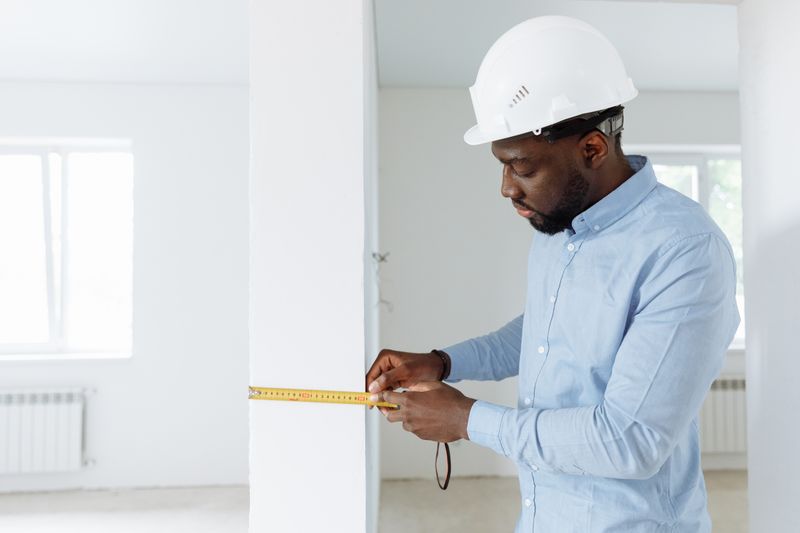
Wall stone is thin on purpose. Thin stone veneer is about 2cm thick, and that is the standard for a reason. A wall does not carry foot traffic. It carries its own weight, held by adhesive and the wall behind it. Thicker stone is heavier stone, and heavier stone is harder to hold on a wall. It needs stronger adhesive, more fixings, and more labor, and the wall is no stronger for it. About 2cm gives you the full look of natural stone at a weight a normal wall can carry. Thicker veneer for a standard wall is extra weight and extra cost with no benefit.
Marble tile for interior floors is commonly 3/8 inch, about 10mm, and that is the standard for a reason. An interior floor is flat, dry, and supported underneath by the subfloor. The tile does not span gaps. It does not take weather. It takes foot traffic, furniture, and the occasional dropped pan, and 10mm handles all of that. Going thicker indoors buys nothing except weight, freight cost, and a higher floor level that can clash with doors. If your installer is laying over a sound, level subfloor, 10mm is the right call. Save the thicker stone for where it earns its keep: outside.
Outside, thickness starts to matter. A patio paver sits on a prepared base and takes foot traffic, chairs, and planters. About 20mm is the usual choice. It is thick enough to stay flat on a good base and to handle frost without cracking. A driveway is a different job. Cars are heavy, and they turn their wheels in place, which grinds the surface. For driveways and any area with vehicle traffic, 30mm is the usual choice. The extra thickness resists ground movement and frost better, and it holds up under the load. The rule is simple: people walk on 20mm, cars drive on 30mm. Tell your supplier what will drive on it. A paver that suits a patio will not last on a driveway.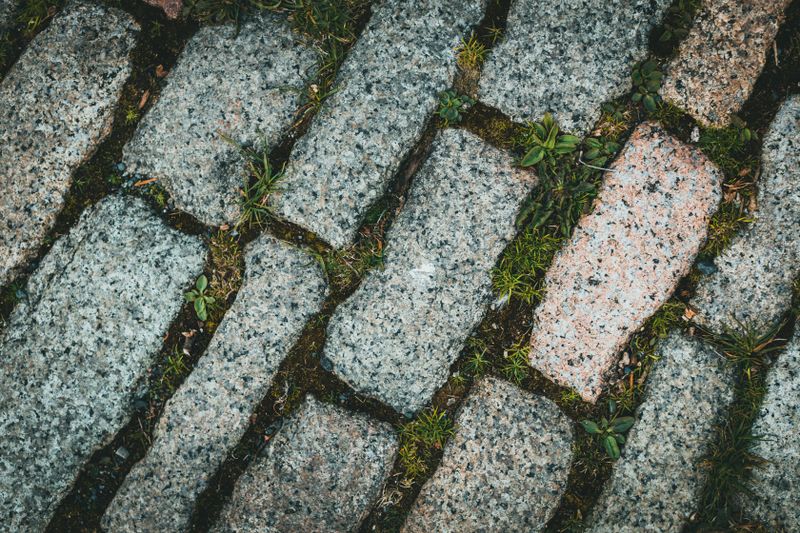
French Pattern is sold as a set, not a single size. A set mixes rectangles and squares in a fixed ratio, laid in a repeating combination. The number in the name is the thickness. French Pattern 12 is a 12mm thick set. French Pattern 30 is a 30mm thick set. The 12mm set suits interior floors and light-use areas, the same kind of work as standard marble tile. The 30mm set suits patios and other outdoor work, the same kind of work as a 30mm paver. When you order a French Pattern set, confirm the thickness in the name, and confirm the set's ratio table, the sizes and the pieces per set, before you order. The ratio differs by factory, and so does the coverage per set.
Thicker stone costs more at every step. More material in the quarry. More weight in the container, which means more freight. More weight on site, which means more labor and harder cutting. On a wall, extra weight is a real problem, not a small one. On an interior floor, extra thickness can raise the finished level enough to cause trouble at doors and thresholds. Ordering thick stone for a job that needed thin, or thin stone for a job that needed thick, are both avoidable mistakes. Before you order, tell your supplier three things: where the stone goes, what goes on top of it, and what your installer thinks. If your installer says 10mm is enough for the floor, believe them. If they say the driveway needs 30mm, believe that too.
Match the thickness to the use: about 2cm for walls, about 10mm for interior floors, 20mm for patios, 30mm for driveways. When in doubt, ask before you order, not after the crates arrive. A five-minute question now is cheaper than a re-order later.
Tell us where your stone is going and what will use it. We will confirm the thickness before production starts. Production takes about 2 weeks, and the thickness is decided at the start, not in the middle.
— The Sino-Marble Team


