- Tel: +86 150 0312 5825
- E-mail: l.wang@sino-marble.com

The backsplash is a small area, usually just the strip between the counter and the upper cabinets. But it is the hardest working stone in the kitchen. It takes splashes from the sink, steam from the stove, and grease from every meal, every day. A backsplash that is easy to wipe and hard to stain makes the whole kitchen easier to live with. One that is not becomes a daily chore.
Choosing it comes down to three decisions, in this order: the format, the stone, and the grout. Get those three right and the rest is detail.
A backsplash is not a decoration that happens to sit in a kitchen. It is a working surface. Water hits it at the sink. Steam rises from pots. Oil splatters from the stove. Food, soap, and cleaning products all land on it. It gets wiped down far more often than a wall, and far more often than a floor.
That is why the two things that matter most are the surface and the joints. A smooth surface wipes clean in one pass. A rough or pitted surface holds grease in its texture and needs scrubbing. Fewer joints mean fewer places for dirt and moisture to sit. Every grout line is a line that has to be cleaned and, sooner or later, re-sealed.
Keep those two facts in mind and the choices below make sense.
The first decision is the format, and it is mostly a choice between large tile and mosaic.
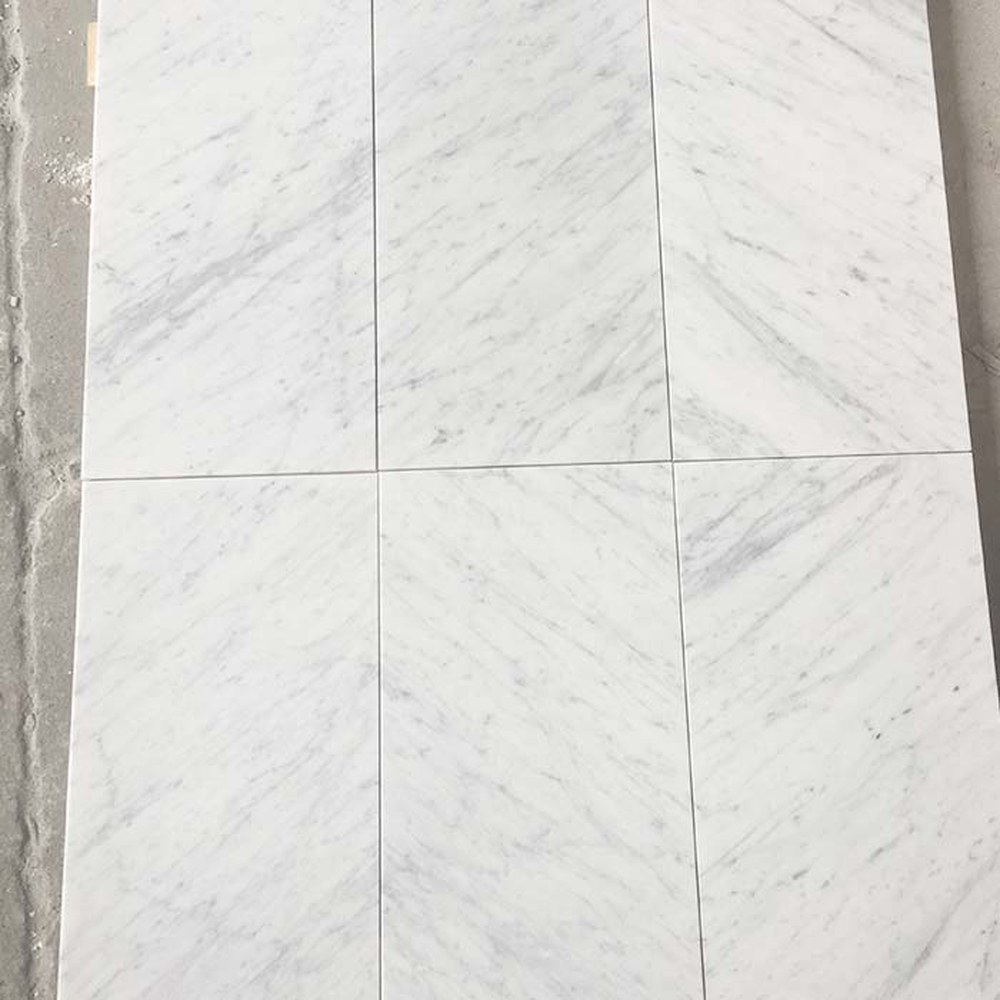
Large marble tile, 12x12 or 12x24, gives the cleanest look and the easiest cleaning. Fewer pieces mean fewer grout lines, and a large piece of polished marble wipes down in seconds. It also shows the stone off. A single slab of veining running across the wall is the reason most buyers choose marble in the first place. The trade-off is cutting. Outlets, switches, and the edges around the stove all need cuts, and every cut is a chance for a chipped edge. A good installer handles this, but it takes time.
Mosaic comes in sheets, most often 12x12, with the small pieces already fixed to a mesh backing. Sheets are easier around outlets and corners, because the installer cuts the sheet, not the stone. Small pieces also follow a slightly uneven wall better than one large rigid tile. The trade-off is grout. A mosaic backsplash has far more grout lines than a large tile one, and every line needs sealing and cleaning. A mosaic in a light color with light grout looks beautiful on day one and needs the most upkeep.
There is no wrong answer. If easy cleaning matters most, pick large tile. If the wall has many outlets, curves, or an unusual shape, pick mosaic. Many kitchens use both: large tile on the main run, mosaic as an accent strip behind the stove.
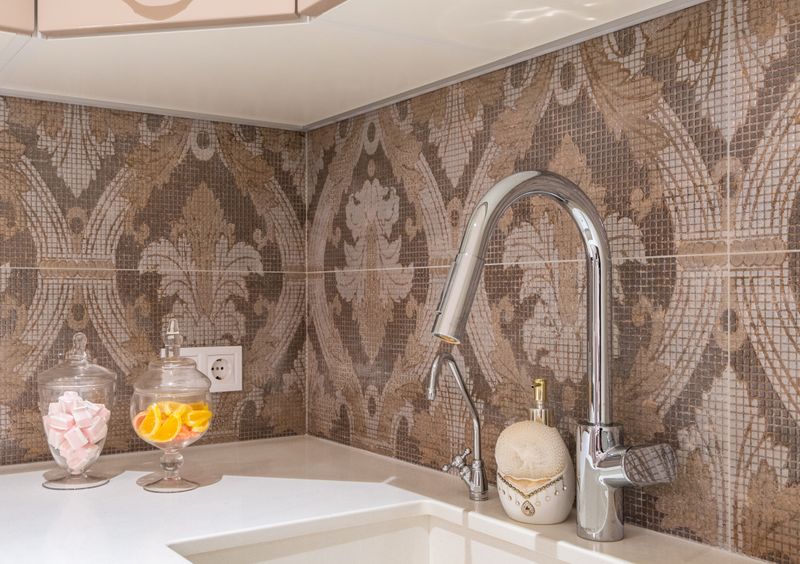
The second decision is the stone itself. For a backsplash, the question is not how hard the stone is. It is how it handles water, grease, and daily wiping.
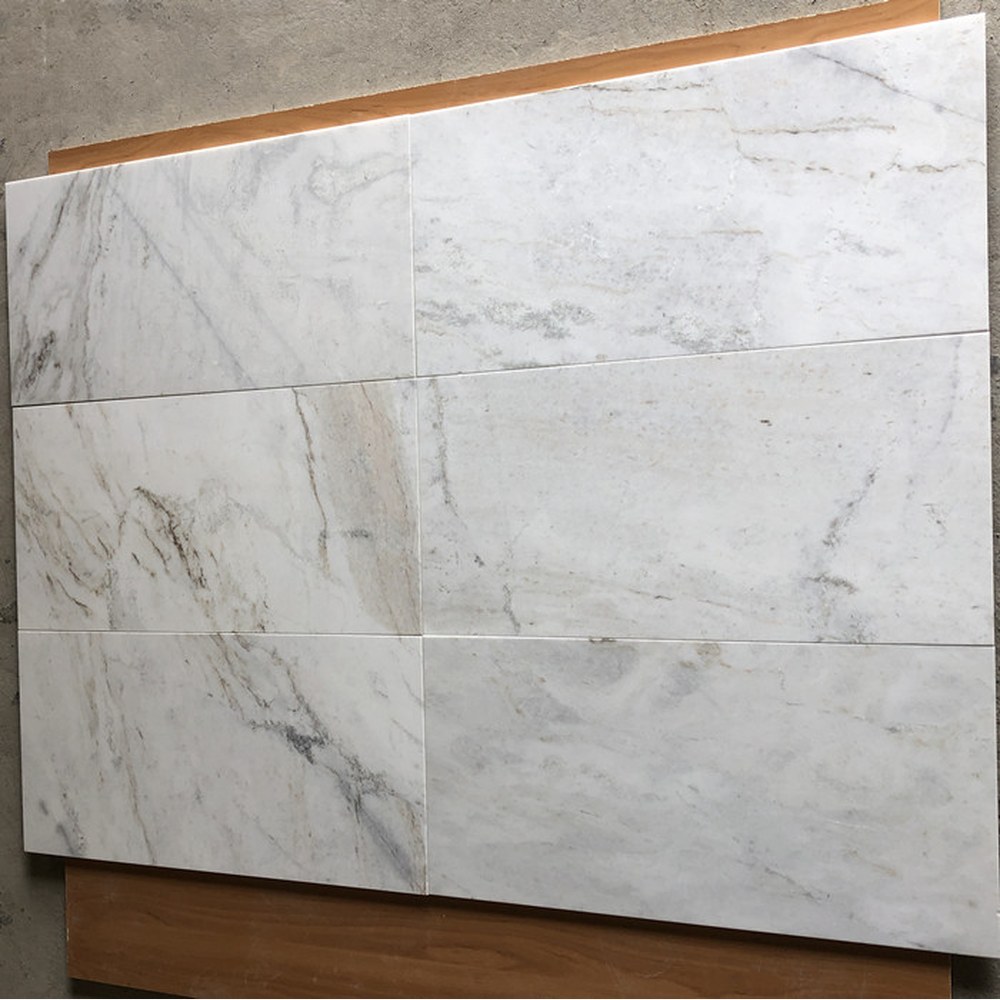
Marble is the classic choice, and it works, as long as it is sealed. Marble is a calcitic stone, so acids can etch it and water can stain it if it is left unsealed. A penetrating sealer, applied after installation and renewed when water stops beading on the surface, keeps it safe behind a sink and a stove. Check the sealer behind the stove more often than the rest, because the heat dries it out faster there.
Quartzite is harder and less porous than marble, so it needs less attention. It is a good choice for a buyer who wants stone but does not want to think about sealing. Granite sits in the same camp. Both are heavier to cut, which matters around outlets, but they ask less of the owner afterward.
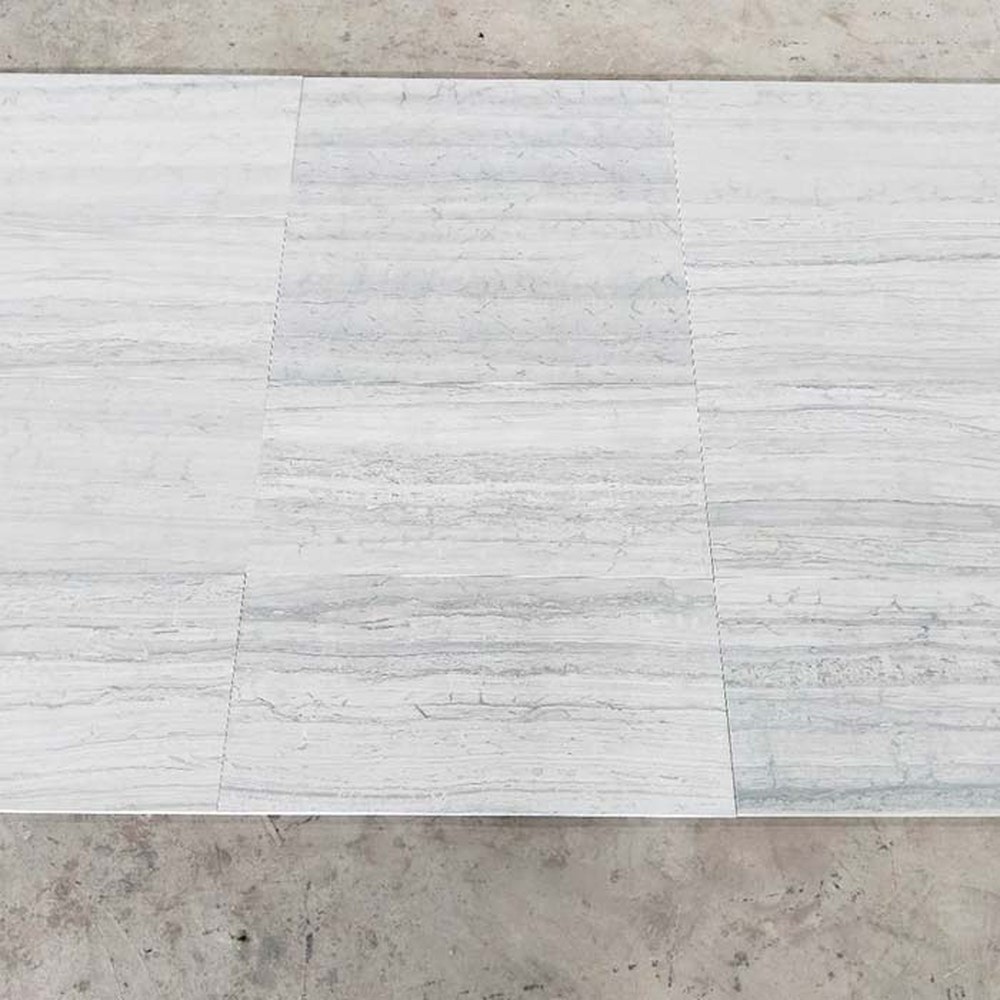
The finish matters too. A polished face wipes clean with one pass and shows the color at its best. A honed face is softer to look at and hides water spots better, but it can hold grease a little longer, so it needs a wipe sooner rather than later. Either finish works. Pick the one that matches how the kitchen is used, not just how it looks in a photo.
One thing to avoid is a very soft or very porous stone left unsealed behind the stove. That is the one place in the kitchen where heat, grease, and steam all arrive together, and an unsealed soft stone will show it first.
Grout is a small line with a big job, and on a backsplash it does more work than anywhere else in the house. The rules are the same as for any stone job, with one difference: the backsplash is small, so the cost of doing it well is small too.
For narrow joints, under about 3mm, use unsanded grout. Sanded grout can scratch a polished stone face, and on a backsplash the stone is at eye level, so a scratch shows. For wider joints, sanded grout is the right choice. Behind the sink and the stove, where water and grease hit hardest, epoxy grout is worth asking about. It costs more, but it does not stain the way cement grout does, and it needs no sealing.
Seal the stone and the grout together. Wait for the grout to cure, usually 48 to 72 hours, then apply a penetrating sealer to the whole surface. Re-seal when water stops beading on the stone. On a backsplash that test takes ten seconds, and it is the cheapest maintenance in the kitchen.
A backsplash is a small order, but it still needs the same care as a large one. Measure the length of each run and the height from the counter to the bottom of the upper cabinets. Multiply them for the area, then add 10 to 15 percent for cuts. Outlets and corners eat more material than most buyers expect, and a small order has no room for a shortfall. A missing box on a backsplash means a second shipment for a handful of tiles, and the new box may come from a different batch.
Keep one batch for the whole backsplash. Stone varies from batch to batch, and on a small, well-lit wall a difference between two boxes is easy to see. Order the full amount, including the overage, from one batch.
Check the thickness before you order. A backsplash tile is usually 3/8 inch, about 10mm, but check that it sits flush with the outlet covers and the trim around it. If the tile is thicker than the trim, the edge will show. If it is thinner, the outlet cover will sit proud of the tile. Either way, it is a detail worth checking on paper before the boxes arrive.
First, look at a sample in your own kitchen, in daylight and under your own lights. Stone changes color with the light, and a backsplash is always seen next to the cabinets and the counter. A sample taped to the wall for a day tells you more than a photo ever will.
Second, confirm the format and the size. Large tile or mosaic, and which size. The format decides the grout lines, the cutting, and the cleaning, so settle it before the stone is ordered, not after.
Third, ask how the edges will be finished. A cut edge at the end of a run needs a finished edge, a trim piece, or a bullnose. An unfinished cut edge at eye level looks unfinished, and it is hard to fix after installation.
Fourth, ask about the lead time. Production takes about 2 weeks for a regular order, and the full journey from order to jobsite usually runs 6 to 10 weeks. A backsplash is small, but it ships on the same schedule as everything else, so order it with the rest of the kitchen stone, not after.
Fifth, ask for a dry lay-out photo before shipment. Laying the pieces out dry shows the color range across the batch before the stone leaves the factory. On a small wall, one piece that is much darker or lighter than the rest will stand out, and it is better to catch it before shipping than after installation.
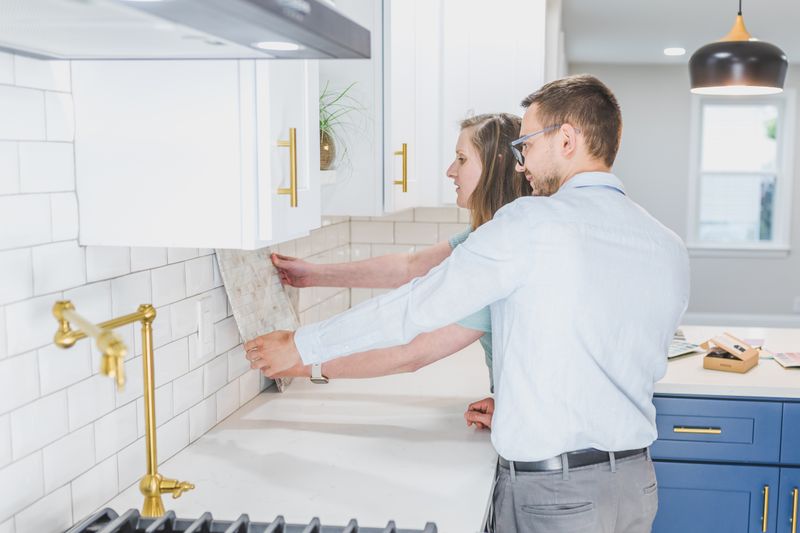
A backsplash is a small job with a big daily payoff. Pick the format for the wall you have, the stone for the cleaning you will actually do, and the grout for the water and grease it will face. Then check the sample, the edges, and the batch before you order. The stone will look after itself after that.
Tell us the size of your backsplash and the stone you have in mind. We will confirm the format, the finish, and the quantity with you before production starts.
— The Sino-Marble Team