- Tel: +86 150 0312 5825
- E-mail: l.wang@sino-marble.com

In a photo, marble tile and porcelain tile can look the same. A white tile with grey veins could be either one. On the floor, in real life, they are very different things, and the difference shows up in the cost, the look, and the years of care that follow.
One is stone from the earth. The other is a factory-made copy of it. Both have their place. The mistake is choosing one while expecting the other.
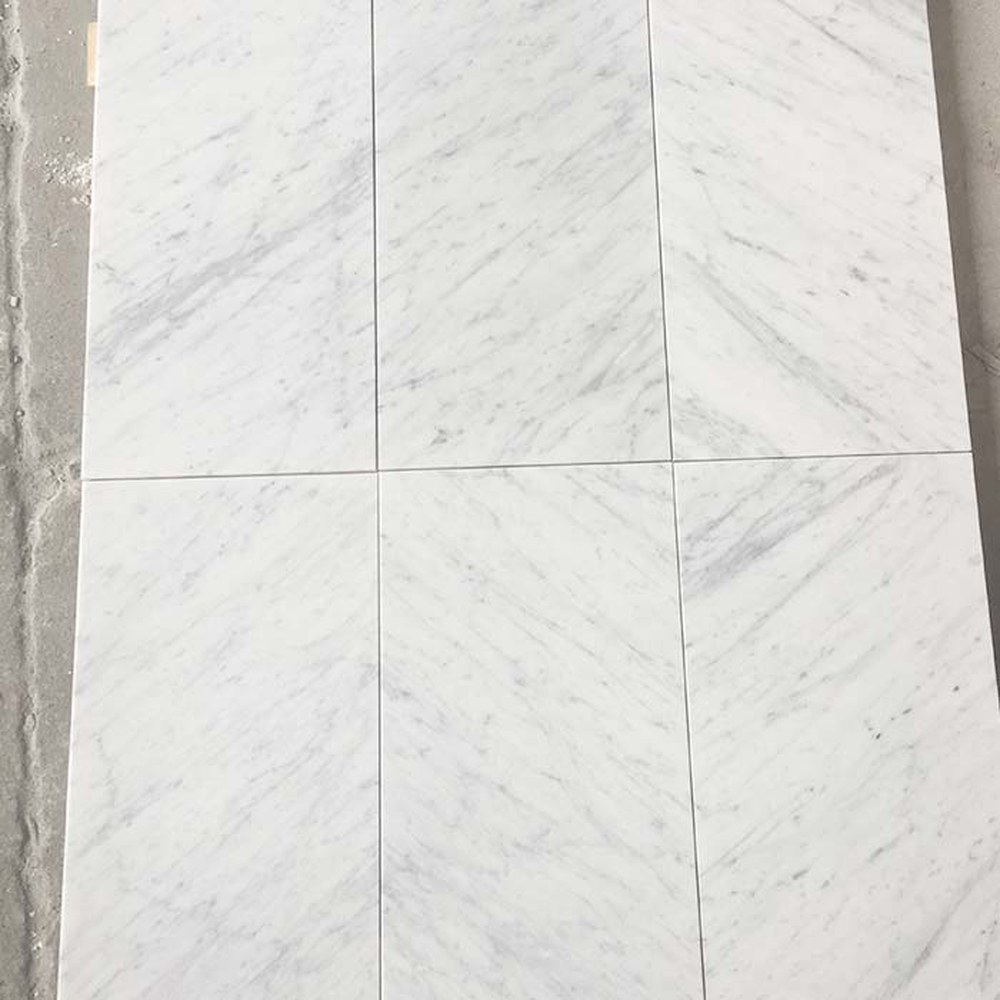
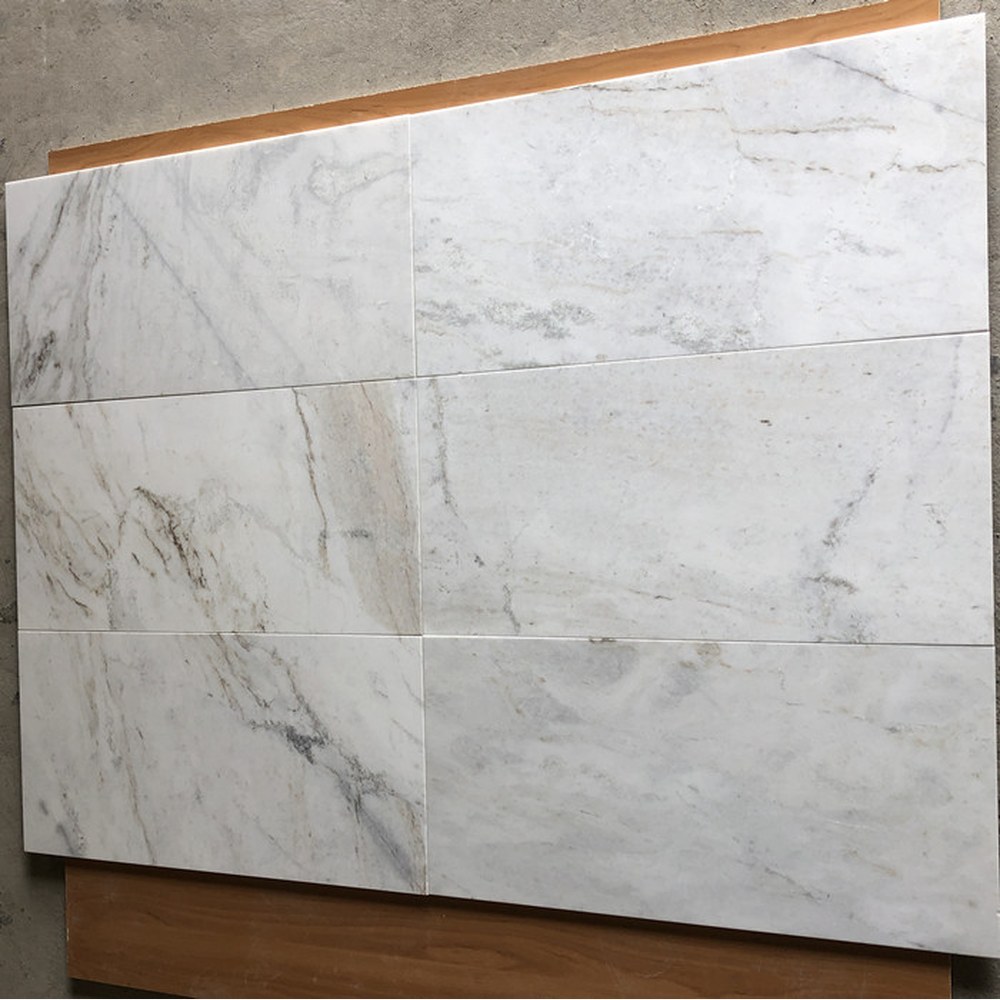
Marble tile is natural stone. It is cut from a block in a quarry, sliced into tiles, and finished. Every piece is different, because the stone itself is different from one part of the quarry to the next. The veining you see is real mineral, laid down over millions of years.
Porcelain tile is made in a factory. Clay and minerals are pressed, fired at high heat, and printed with a pattern. The pattern can imitate marble, wood, or concrete, and the best copies are convincing in a photo. But the pattern is printed, and it repeats across the production run. No piece is unique, because no piece needs to be.
This is the root of every other difference. Marble varies because it is natural. Porcelain repeats because it is made.
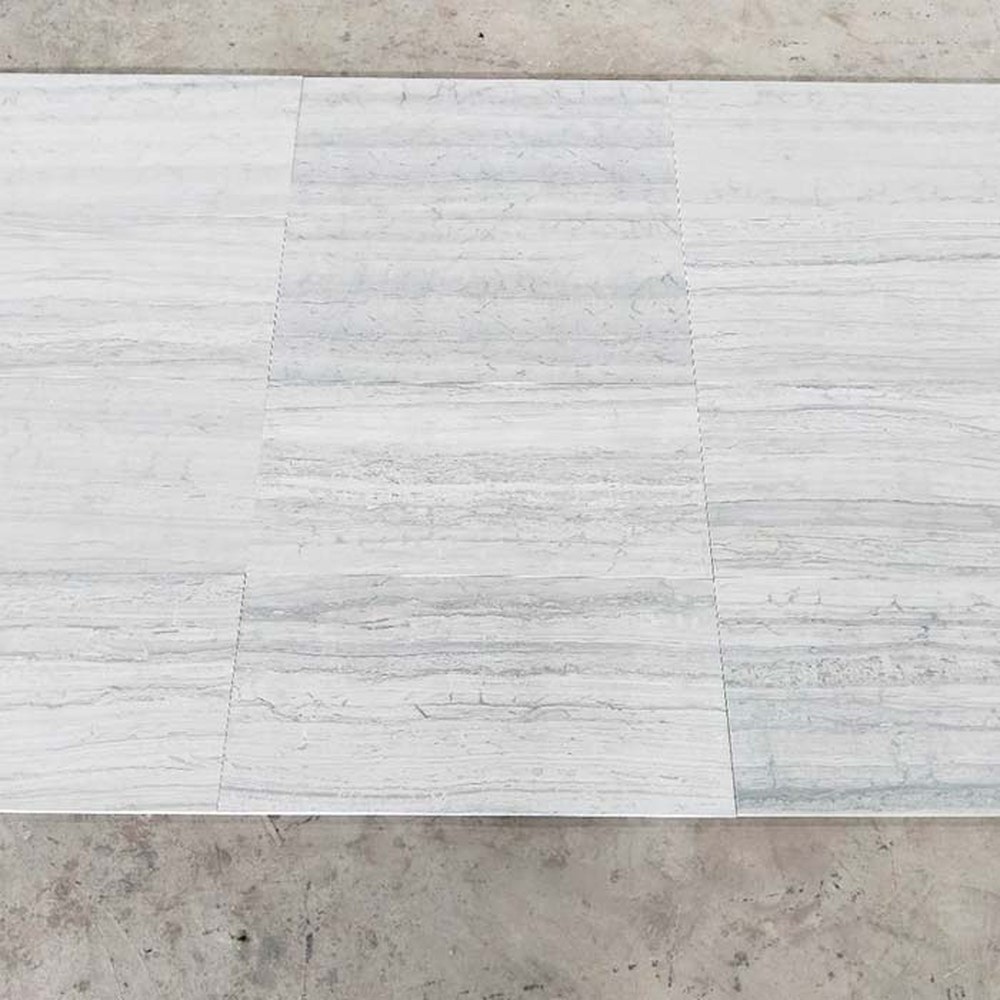
Up close, the difference is easy to see. Marble veining runs through the stone. It changes direction, thickens, thins out, and moves from piece to piece. Lay ten marble tiles out and you have ten different faces. That variation is what makes a marble floor look alive instead of printed.
Porcelain veining sits on the surface. It looks right from standing height, and the best prints are hard to tell from marble at a glance. But lay the same run of porcelain out and you will start to see the same vein pattern coming back. In a large open floor, a repeated pattern can show, and once you see it, you cannot unsee it.
Light matters too. Marble changes color with the light, and a floor that looks warm under the showroom lights can look cool under your own. Porcelain is more stable in color, because the print is fixed. Neither is better. They are just different, and the buyer should know which one they are ordering.
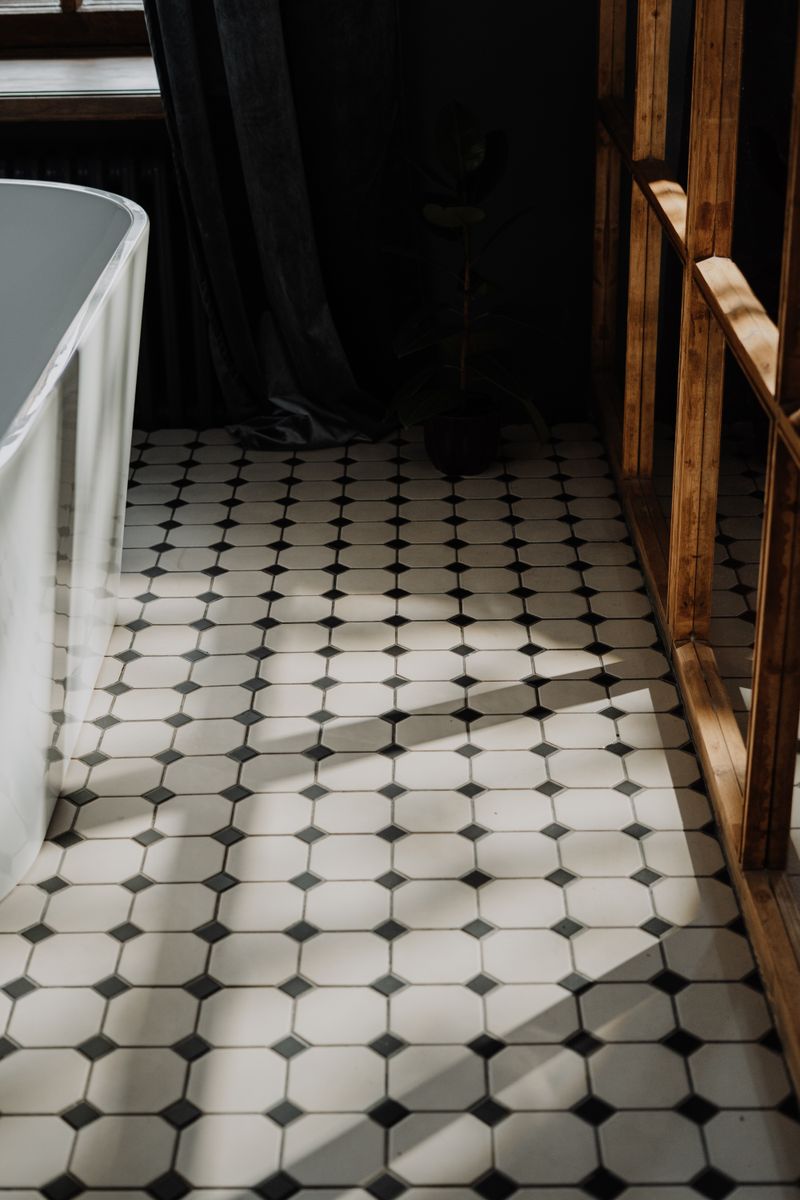
Porcelain generally costs less to buy. The factory makes it in volume, the raw material is cheap, and the price is stable from one order to the next. Marble costs more up front, because the stone is quarried, cut, and finished piece by piece, and the price moves with the quarry and the factory.
The gap narrows over time, but it does not close. Marble needs a penetrating sealer, and it needs resealing when water stops beading on the surface. It needs a pH neutral cleaner, and it needs care with acids. Porcelain usually needs no sealing, and it takes a harder knock without showing it. The maintenance is not expensive, but it is real, and it lasts as long as the floor does.
So the honest comparison is not the price on the first line. It is the price plus the care, over the life of the floor. A buyer who wants the lowest total cost will usually pick porcelain. A buyer who wants the real stone will pay the difference and not regret it.
Marble is a calcitic stone, and it is soft. Its hardness is about 3 on the Mohs scale, so it can scratch, and acids can etch it. Vinegar, lemon cleaners, and most bathroom descalers are acids, and an etched spot looks like a dull patch that will not wipe away, because the stone surface itself has been eaten. A dropped pan can chip an edge. A dragged chair can leave a mark.
Porcelain is harder and denser. It resists scratches, stains, and most household chemicals, and it does not need sealing. In a rental, a mudroom, or a high-traffic hallway, that toughness is worth a lot.
But marble has a quality porcelain does not: it can be repaired. A scratched marble floor can be honed and repolished. An etched spot can be refinished. A porcelain tile that chips shows the body underneath, and the only fix is to replace the tile. Stone ages and can be renewed. A printed tile ages and cannot.
The choice is not about which is better. It is about where the tile goes.
Marble fits where the look matters most: a feature wall, a fireplace surround, a bathroom, a kitchen backsplash, a foyer that guests see first. In these places the real veining earns its price, and the care it needs is small next to the room it makes.
Porcelain fits where toughness and budget matter most: a rental property, a high-traffic hallway, a mudroom, a large open floor where the pattern will repeat anyway. In these places the printed look is close enough, and the lack of sealing and the resistance to stains are worth more than the real stone.
Some buyers mix them. Marble on the feature wall, porcelain on the floor. A marble backsplash, a porcelain floor. That is a fair compromise, and it works, as long as the two are chosen for their own jobs and not confused with each other.
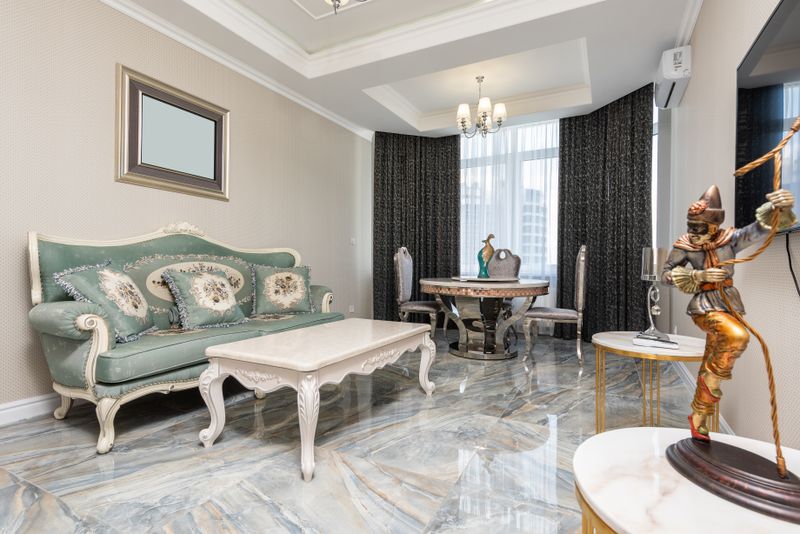
First, look at a sample in your own room, in daylight and under your own lights. Stone changes color with the light, and a tile that looks warm in the showroom can look cool at home. A sample taped to the floor for a day tells you more than a photo ever will.
Second, for marble, confirm one batch for one job, and ask for a dry lay-out photo before shipment. For porcelain, ask how many different printed faces the run has, and whether the pattern repeats across the boxes you will receive.
Third, confirm the product in writing: the size, the thickness, the finish, and the tolerance. Marble tile is calibrated, and the usual tolerance is about plus or minus 0.5mm. A price without these details is a price for something you have not agreed on.
Fourth, ask about the lead time. For natural stone, production takes about 2 weeks for a regular order, and the full journey from order to jobsite usually runs 6 to 10 weeks. Order with the rest of the house, not after, so the batch matches and the job does not wait on one room.
Fifth, be honest about the care. If the room will take hard use and little maintenance, porcelain is the honest pick. If the look is the point and the care is fine, marble is the honest pick. The wrong choice is not the cheaper tile or the dearer one. It is the tile chosen for the wrong room.
Marble is stone from the earth, with real veins, real variation, and real care. Porcelain is a factory copy, consistent, tough, and easy to live with. Both are good tile. The one that fits your job is the one you will still be happy with in ten years.
Tell us the size of your job and the look you have in mind. We will confirm the stone, the finish, and the quantity with you before production starts.
— The Sino-Marble Team