- Tel: +86 150 0312 5825
- E-mail: l.wang@sino-marble.com


Winter does not crack stone. Water freezing inside stone does. Every natural stone has tiny pores, and outdoor stone gets wet: rain, snow, meltwater. When that water freezes, it expands. When it thaws, it contracts. One winter means dozens of those cycles, and each cycle widens the crack a little more. The surface starts to flake. Edges crumble. That is freeze-thaw damage, and it is the main reason outdoor stone fails in cold climates. If your winters go below freezing for weeks at a time, three things decide whether your patio, steps, or wall survives: the stone you pick, the sealer, and the way it is installed.
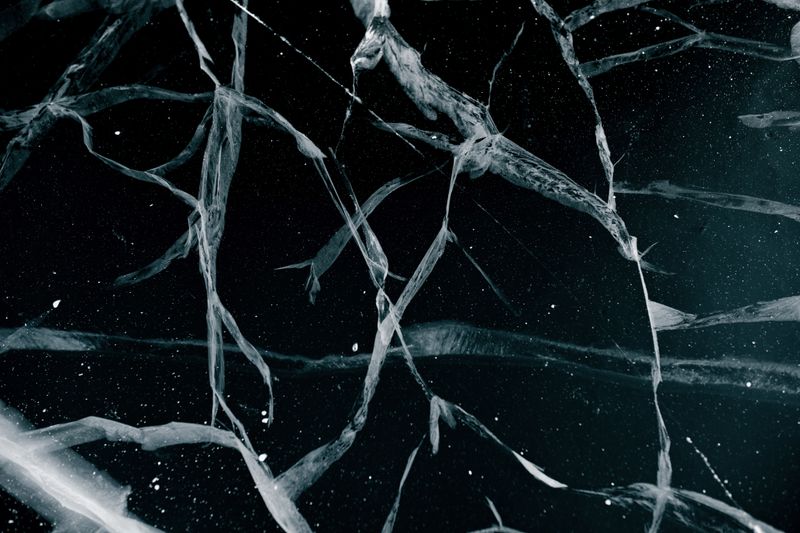
Dry stone does not crack from cold alone. The damage starts with water. Rain and melting snow soak into the pores and into any hairline crack. At night the temperature drops, the water freezes, and ice takes up about 9% more space than the water did. That expansion pushes outward from inside the stone. In the morning it thaws and the pressure releases. But the crack is slightly wider than it was. Repeat that fifty times over a winter, and a hairline crack becomes a flake, then a spall, then a piece coming off. The worst spots are the ones that stay wet: low spots where water pools, joints that hold meltwater, and wall tops where snow sits. Stone that drains and dries between freezes lasts far longer than stone that stays wet.
Not all stone absorbs water the same way. Dense stones with low absorption take in little water, so there is little inside to freeze. Granite, quartzite, and dense marble are the safest choice for freeze zones. Porous stones absorb more water, so they need more care: a good sealer, good drainage, and realistic expectations. Sandstone, limestone, and travertine fall in this group. This is about the stone type, not the supplier, and it is the first question to ask before you order. Ask for the water absorption rate. Lower is better for any place with freezing winters. If a supplier cannot give you that number, that tells you something too.
A penetrating sealer soaks into the pores and keeps water from getting in. It does not change how the stone looks, and it does not make a porous stone freeze-proof. But it cuts the amount of water inside, and that is what matters. Seal before the first winter, not after the damage shows. And sealing is maintenance, not a one-time job. Check it every spring: sprinkle water on the surface. If it beads up, the sealer is still working. If it soaks in and darkens the stone, it is time to reseal. Exterior stone in a freeze climate usually needs resealing every couple of years, more often on horizontal surfaces that take rain and snow directly.
Even the right stone fails if it is installed wrong. Four things matter. First, slope and drainage: patios and steps need a slight fall so water runs off instead of pooling. Standing water is the enemy. Second, use a mortar or adhesive rated for freeze-thaw. A standard mix can weaken after repeated freezing. Third, do not install on frozen ground or in freezing temperatures; mortar that freezes before it cures never reaches its strength. Fourth, leave joints for movement and cap the tops of walls, so water cannot sit on the top course and soak down. A wall that sheds water from the top lasts longer than a wall that collects it.

Rock salt is the fastest way to damage outdoor stone in winter. Sodium chloride pits the surface, stains it, and speeds up the flaking that freeze-thaw starts. Avoid it on any stone surface. Use sand for traction instead. It gives grip without attacking the stone. If you must melt ice, choose a de-icer labeled safe for stone and concrete, and use as little as you need. Clear snow before it melts and refreezes in the joints. And do not use a metal shovel on a stone surface; a plastic blade is enough, and it will not chip the edges.
If you buy outdoor stone for a cold climate, check five things. One, the water absorption rate. Ask for the number. Two, whether the stone has passed a freeze-thaw test. Three, which sealer the supplier recommends, and how often to reapply it. Four, the installation guidance for your climate: slope, adhesive, and joints. Five, the thickness for paving: thicker pavers handle ground movement and frost better than thin ones, so do not size paving by looks alone. Get these answers before the order, not after the first winter.
That is the whole story. Cold alone does not break stone. Water freezing inside it does. Pick a dense stone or seal a porous one, drain the water away, install it right, and keep the salt off it. Do that, and the same patio will still look good after ten winters.
Tell us your state and where the stone will go, and we will recommend the stone and the thickness for your winters before you order.
— The Sino-Marble Team


