- Tel: +86 150 0312 5825
- E-mail: l.wang@sino-marble.com


Indoor stone has an easy life. Outdoor wall stone does not — it faces rain, frost, sun, and temperature swings every day, for decades. The stone that looks perfect in a showroom can crack, stain, or come loose on an exterior wall if the wrong type is chosen or the wrong details are skipped. Here's what US buyers should know before ordering.
The same stone can work beautifully inside and fail outside, because the exposure is completely different:
Water: rain soaks into the stone and the mortar behind it. Indoors, that never happens.
Freeze-thaw: water trapped in the stone freezes, expands, and cracks it from the inside. Indoors, there is no freeze.
Sun and heat: UV and temperature swings fade color and stress the bond between stone and wall.
Salt and pollution: de-icing salt, coastal air, and city grime attack the surface over time.
This is why "outdoor wall stone" is its own decision, not just "veneer, but outside." The stone, the installation, and the maintenance all have to be rated for exterior use.
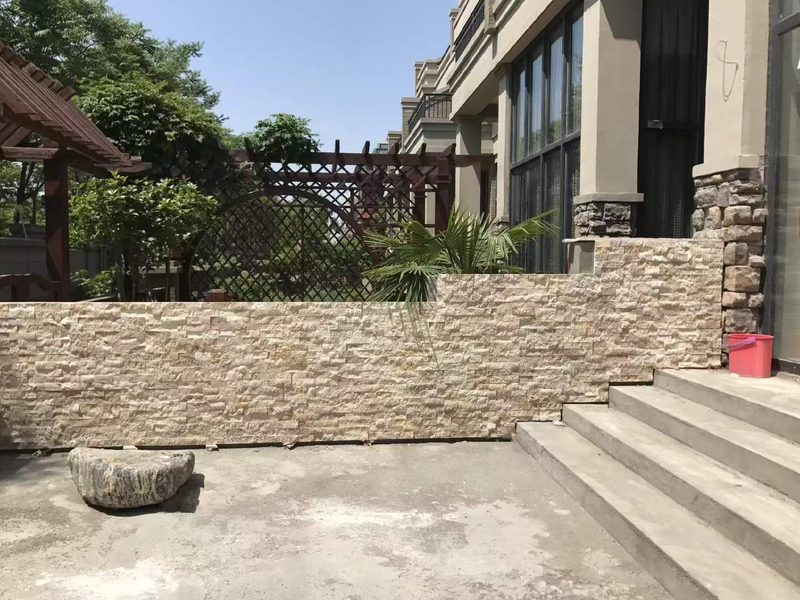
If your project is anywhere with real winters, this is the first question:
Low water absorption matters most. The less water the stone soaks up, the less there is to freeze and expand. Dense stone with low absorption is the safe choice for cold climates.
Ask for the data. A supplier should be able to tell you the stone's water absorption and whether it is rated frost-resistant. If the answer is vague, treat that as a red flag.
Soft, porous stone is a risk outdoors in cold regions. It may look fine on day one, but repeated freeze-thaw cycles will find its weak points — usually in year two or three, not year one.
In warm climates without freezing, this matters less — but absorption still affects staining and algae growth, so it is worth asking about anywhere.
Dense stone first. For exterior walls, density and low absorption beat appearance every time. A beautiful porous stone that cracks in winter is not a bargain.
Match the stone to the climate zone. What works in Florida may not work in Minnesota. Tell your supplier where the project is — a good supplier will steer you away from a bad match.
Think about color in the sun. Dark stone absorbs more heat and shows fading more; light stone stays cooler and hides weathering better. Neither is wrong — but the choice should be deliberate, not accidental.
Ask for current-batch photos, dry-laid. Exterior walls are large and highly visible. Batch variation shows up fast on a big wall, so approve the actual lot before it ships, not a catalog photo.
Most outdoor stone failures are installation failures, not stone failures. The details that matter:
Substrate preparation: the wall behind the stone must be clean, sound, and properly waterproofed. Stone cannot fix a bad substrate.
Mortar bond: exterior stone needs full mortar coverage, not spot-bonding. Voids behind the stone collect water and freeze.
Drainage and weep holes: water that gets behind the stone needs a way out. Without drainage, it sits, freezes, and pushes the stone off the wall.
Cap flashing and sills: the top of the wall is where water enters. Proper caps and flashing keep the worst of it out.
Expansion joints: long walls move with temperature. Joints give that movement somewhere to go instead of cracking the stone.
If your installer has only done interior work, ask about their exterior experience specifically. The details are different.
Seal it. A penetrating sealer keeps water out of the pores without changing the look of the stone. Apply after installation, once the mortar has cured.
Reseal on schedule. Outdoors, sealer wears faster than indoors — plan on reapplying every 1–2 years in harsh climates, and check after severe winters.
Inspect the joints yearly. Cracked mortar joints let water in behind the stone. Catching a cracked joint early is a ten-minute repair; catching it late is a rebuild.
Clean gently. A soft brush and water handles most dirt. Pressure washers and acids can damage the stone surface and the mortar — if you need more than a brush, ask a professional.
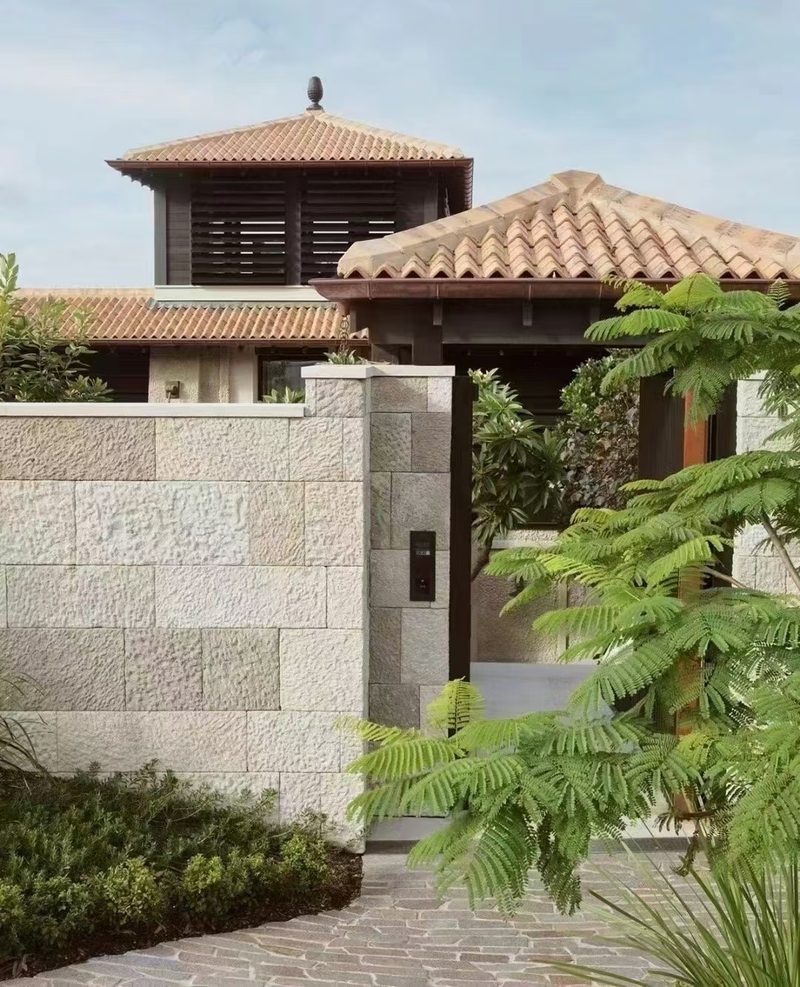
Climate zone and frost rating — tell the supplier where the project is, and confirm the stone is rated for it.
Water absorption data — ask for it in writing, not as a verbal promise.
Current-batch photos — dry-laid, so you approve the actual lot.
Thickness and format — confirm the stone thickness and piece sizes match the installation method and the wall design.
Overage — order 10–15% extra for cuts, breakage, and future repairs. Matching an exterior wall from a later batch is never guaranteed.
Packing — rigid cartons, then export wooden crates. Ask for a photo of the packed crates and a piece count per crate so you can verify on arrival.
That's the short version. Outdoor wall stone rewards buyers who pick for the climate, insist on water management in the installation, and seal on schedule — and it punishes everyone who treats it like indoor stone.
If you're planning an exterior project and want a second pair of eyes on a quote or a batch photo, send it over. We look at this stone every day.
— The Sino-Marble Team


