- Tel: +86 150 0312 5825
- E-mail: l.wang@sino-marble.com

Grout is the part of a stone job most buyers ignore. The stone gets all the attention. The thin lines between the pieces get none, until they stain, crack, or turn a different color from the rest of the floor. Grout is a small line with a big job. It holds the stone in place, takes up the small movement of the floor, and keeps water out of the joints. Choose it well and you forget it is there. Choose it badly and you see it every day.
A stone floor is not one solid surface. It is many pieces with joints between them. Stone moves a little with temperature and moisture, and the building underneath moves a little too. The joint is what takes up that movement. Without grout, dirt and water fall into the gaps, the edges chip, and the pieces start to work loose.
Grout also does a visual job. The joint lines are part of the pattern. Narrow joints make a floor look like one large surface. Wide joints make the grid of tiles part of the design. Neither is wrong. But the joint width should be decided before the stone is ordered, because it changes the look of the finished floor and the amount of grout needed.
There are three common types, and the joint width decides between the first two.
Sanded grout has fine sand in it, which makes it strong. It suits joints about 3mm (1/8 inch) and wider, which covers most stone floors. Unsanded grout has no sand, so it is smooth. It suits narrow joints under 3mm, and it is the safe choice on polished stone, because sanded grout can scratch a polished surface while it is being worked in. If your stone is polished marble, do not let anyone use sanded grout on it.
Epoxy grout is the third type. It is a two-part resin, not cement. It barely absorbs water and barely stains, which makes it the best choice for showers, kitchen floors, and any place that gets wet or dirty often. It costs more, and it is harder to work with, because it sets faster and is harder to clean off the stone. For a dry living room floor, cement grout is enough. For a shower, epoxy is worth the extra cost.
Grout color changes the floor more than most buyers expect. A color close to the stone makes the joints disappear and the floor look like one surface. A contrasting color makes the grid stand out and the tile pattern part of the design. Both work. The mistake is choosing from a small printed chart and being surprised by the result.
Two rules help. First, test it. Have the installer grout a small hidden area first, let it dry fully, and look at it in daylight before the rest of the floor is done. Grout changes color as it dries, so a wet sample tells you nothing. Second, for a first order, a color close to the stone is the safer choice. It hides uneven joints and small stains. A dark grout on a white floor shows every imperfection, and a white grout on a dark floor stains fast.
The steps are simple, and the timing matters more than the steps. The installer mixes the grout, spreads it over the joints with a rubber float, and presses it in. Then the excess is wiped off with a damp sponge, in diagonal strokes so the sponge does not pull grout out of the joints. The first wipe takes off most of it. A second wipe, after the grout has started to set, takes off the haze.
Two things go wrong most often. One, too much water in the mix or on the sponge. Extra water weakens the grout and makes it dry a different color in patches. Two, leaving the haze too long. A thin film left on the stone hardens and is hard to remove, and on natural stone it can be harder still. A good installer wipes as they go and checks the haze before it sets.
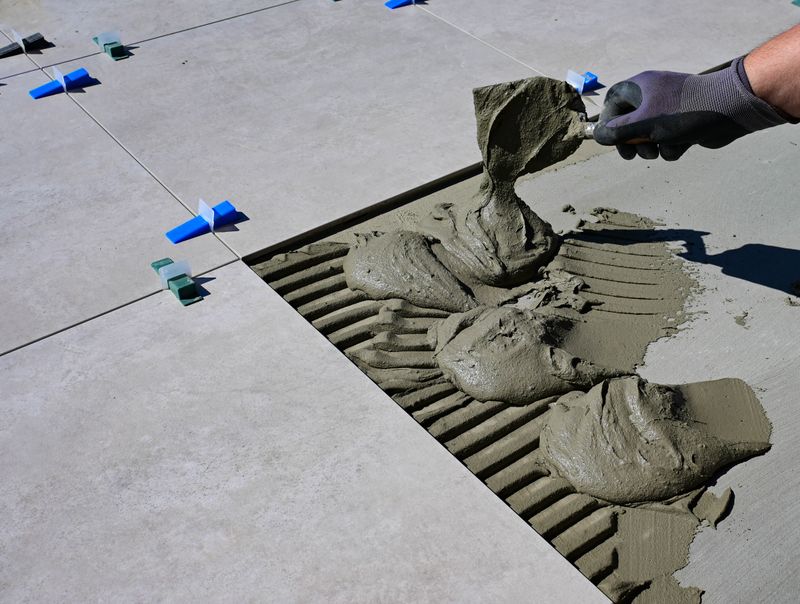
Cement grout is porous. It absorbs water and stains, especially on floors. A penetrating sealer soaks into the grout and keeps water out without changing how it looks. It does not make grout stain-proof, but it buys time. A spill wiped up quickly leaves no mark on sealed grout. The same spill on unsealed grout may leave one.
Wait until the grout has cured before sealing, usually 48 to 72 hours. Sealing too early traps moisture inside. After that, the sealer is brushed or sprayed on, left to soak in, and the excess wiped off. On floors, re-seal when water stops beading on the joints. In a shower, check it every year. On a dry floor, every few years is enough. Epoxy grout does not need sealing, which is one more reason it suits wet areas.
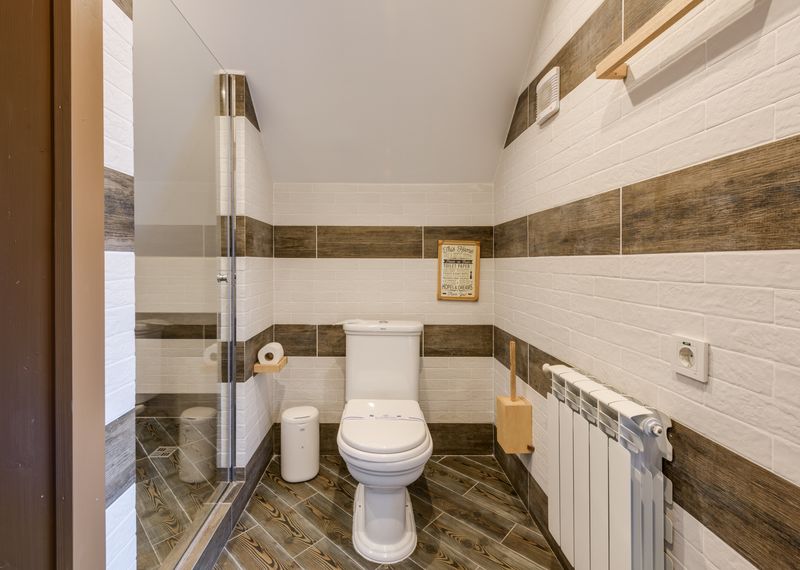
Day to day, clean grout with a pH-neutral cleaner and water. Do not use acid cleaners on marble or any calcite stone, because acid etches the surface, and it attacks the grout too. A soft brush takes off dirt that a mop leaves behind. In a shower, a quick squeegee after use keeps soap and water from sitting on the joints.
If grout cracks, it is usually movement, not bad grout. A hairline crack in one joint can be raked out and refilled. If many joints crack at once, the problem is underneath, in the subfloor or the setting bed, and refilling alone will not hold. If grout stains, a sealer applied after a deep clean helps, but a stain that has soaked in for months may not come out. That is why sealing early matters more than cleaning later.
Grout is the cheapest part of a stone job and the easiest to get wrong. Choose the type for the joint and the stone, test the color before the whole floor is done, and seal it after it cures. Do those three things and the lines between your stone will stay quiet for years.
Tell us where your stone is going and what will sit on it. We will confirm the joint width, the grout type, and the color with you before production starts.
— The Sino-Marble Team