- Tel: +86 150 0312 5825
- E-mail: l.wang@sino-marble.com

The fireplace is the warmest wall in the house. It is where people sit, where the room gathers, and where the stone takes more punishment than any other surface in the home. Heat, soot, and the occasional knock from a log all land on the same few square feet.
That is why stone suits a fireplace so well. Natural stone does not burn. It does not melt, warp, or give off fumes when it gets hot. A stone surround can sit next to a fire for decades and look better for it. The trick is picking the right stone and the right format, and cleaning it the way stone likes to be cleaned.
The first reason is simple: stone is non-combustible. It will not catch fire, and it does not feed a fire. That is the baseline every fireplace material has to meet, and stone meets it without any treatment.
The second reason is how stone handles heat. A thick stone surround absorbs heat while the fire burns and gives it back slowly after the fire dies down. The room stays warm longer, and the stone itself is not damaged by the cycle of heating and cooling. A thin, light facing that heats up fast and cools fast will not do the same job.
The third reason is the look. A fireplace is the focal point of the room. Stone gives it weight and texture that paint and tile cannot. A ledgestone surround looks rustic. A flat marble tile surround looks clean and modern. Either way, the fireplace becomes the room.
The surround is a facing, not the firebox. The firebox itself, where the fire actually burns, should be built with fire-rated materials and to local code. The stone sits around it, on the wall, the mantel, and the hearth. Keep that split in mind when you choose.
For the wall around the fireplace, thin stone veneer and ledgestone are the usual picks. Thin stone veneer is about 2cm thick, light enough to fix to a wall, and it comes in many looks: flat panels, random stone, castle stone, and fieldstone. Ledgestone, the stacked strips, gives a strong horizontal texture and is the most common fireplace look of all. Both are made for walls.
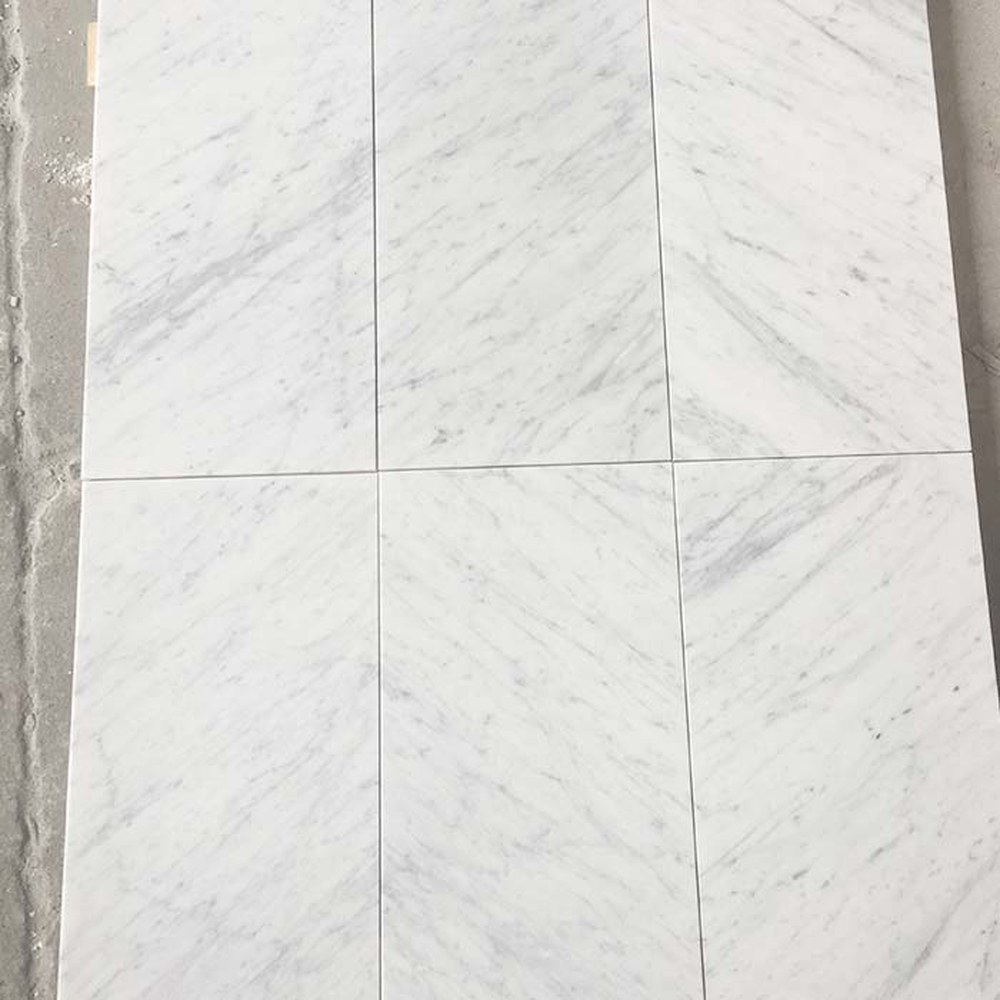
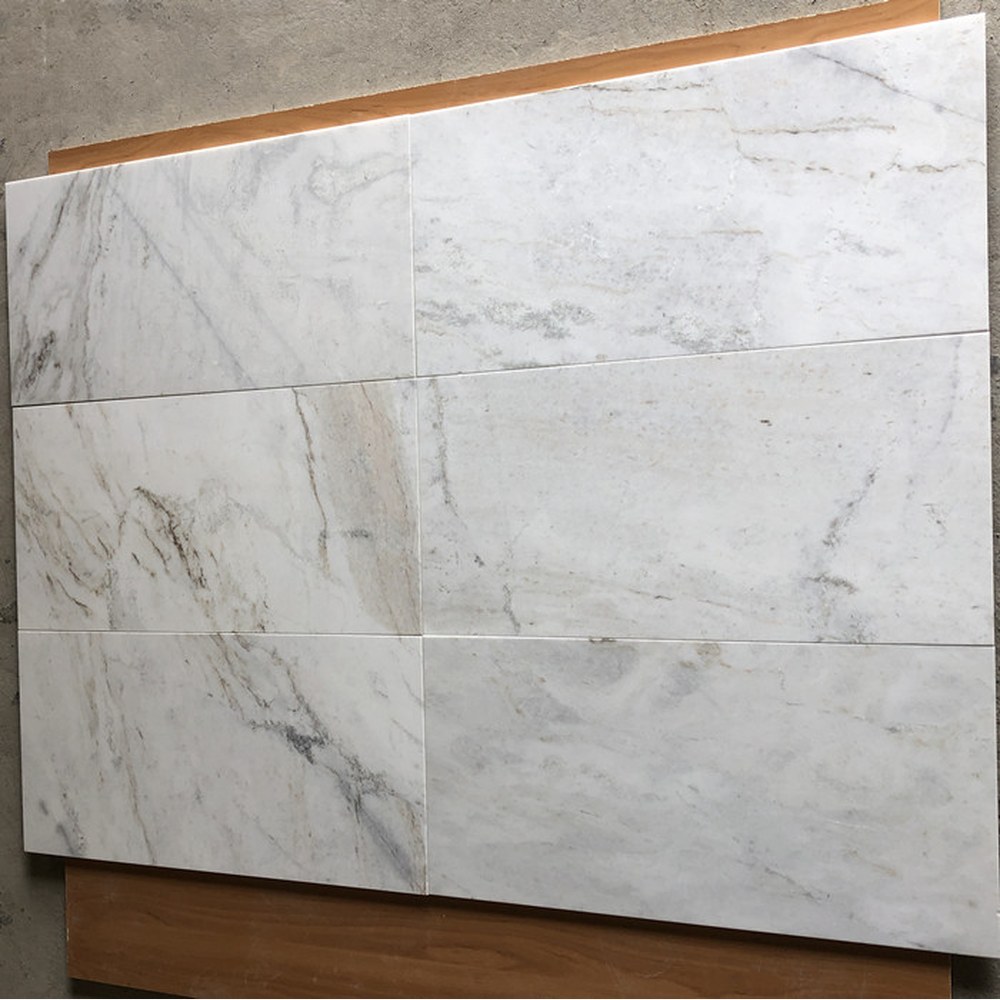
For a flat, modern surround, large marble tile works well. A 12x12 or 12x24 tile gives a clean face with few joints, and polished marble wipes clean with one pass. It suits a contemporary room better than a rustic one.
Corners matter more here than on any other wall. A fireplace has outside corners on both sides, and a flat piece cannot turn a corner. Ledgestone and thin veneer lines have matching corner pieces, made to wrap the edge. Order the corners with the flats, in the same batch, or the corner will show a raw edge that no one can hide later.
The stone closest to the opening takes the most heat. Over years of use, that area cycles hot and cold more than any other part of the surround. That is normal, and stone handles it. What stone does not handle is a direct flame licking the same spot for hours, or a fire built hard against the wall. Keep the fire inside the firebox, with a screen or glass doors in front of it, and the surround will last.
Sealing helps with heat too. A penetrating sealer keeps soot and smoke from sinking into the stone, and it keeps the stone from drying out. Seal the surround before the first fire, and re-seal when water stops beading on the surface. In a fireplace that test takes ten seconds, and it tells you everything.
One more heat note: do not hang anything heat-sensitive on the stone above the fireplace until you know how hot that spot gets. A mantel shelf is fine. A television above the fireplace is a different question, and it depends on the heat that reaches that height. Check it with a real fire burning before you mount anything.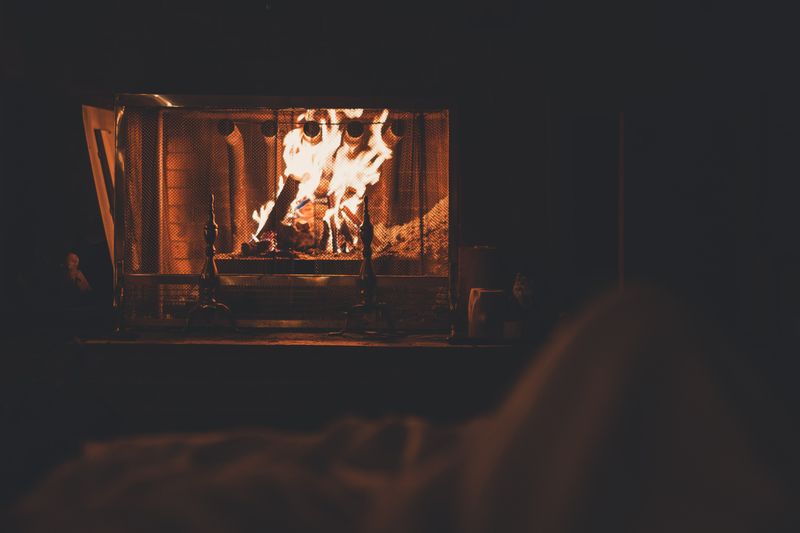
Soot is the fireplace's daily enemy. It lands on the stone above the opening first, and on the hearth where ash falls. Left alone, it builds into a grey film that dulls the stone. Wiped regularly, it never gets a hold.
Wipe the surround down after use, or at least once a week in the burning season. A dry cloth takes the loose soot. A damp cloth with a pH neutral cleaner takes the rest. For textured ledgestone, use a soft brush to reach into the joints. A stiff brush will wear the sealer off and scratch the stone underneath.
Never use an acidic cleaner on marble or any calcitic stone. Vinegar, lemon cleaners, and most fireplace soot removers that smell sharp are acids, and acid etches calcite. An etched spot looks like a dull patch that will not wipe away, because the stone surface itself has been eaten. The same goes for abrasive pads, which wear through the sealer and scratch the stone.
If the soot has built up over a season, do not reach for a stronger cleaner first. Start with a soft brush and a pH neutral cleaner, and repeat it. Fresh and gentle beats old and harsh, every time.
Measure the surround wall first: the width and the height of the area you want covered, plus the hearth in front of it. Then add 10 to 15 percent overage for cuts and breakage. A fireplace surround has more cuts than a flat wall, because of the opening, the mantel, and the corners, so do not skimp on the overage.
Order the flats, the corners, and the hearth from one batch. Stone varies from batch to batch, and on a fireplace the difference shows, because the surround is the one wall everyone looks at. A corner piece from a later batch will stand out against the flats, and a hearth piece that does not match the wall will look like a repair.
Ask for a dry lay-out photo before shipment. Laying the pieces out dry shows the color range across the batch before the stone leaves the factory. In a fireplace, one piece that is much darker or lighter than the rest will stand out, and it is better to catch it before shipping than after installation.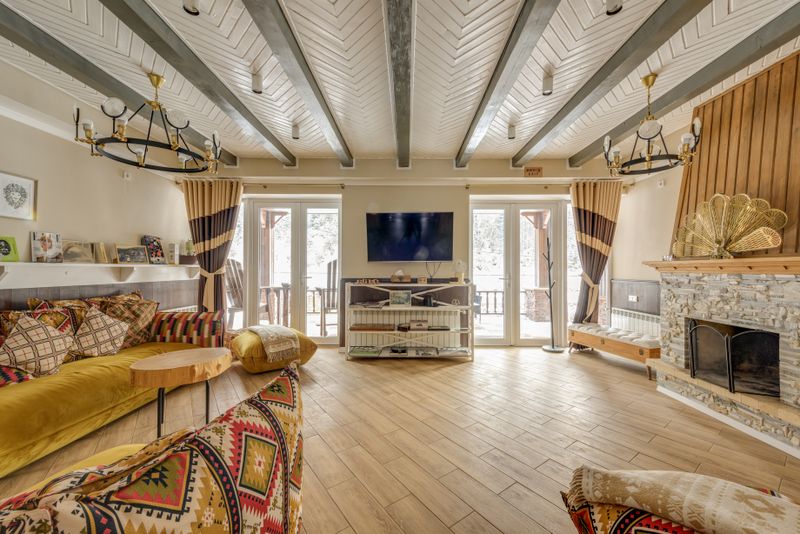
First, confirm the format fits the look you want. Ledgestone and thin veneer for texture, large marble tile for a flat modern face. The format decides the room.
Second, count the corners and order the corner pieces with the flats, in the same batch. A fireplace without matching corners is a fireplace with a raw edge.
Third, ask how the stone will be fixed to the wall. A thin veneer surround is fixed with adhesive and mechanical support, and the wall behind it must be sound. An installer who has done stone fireplaces before will know the fixings. One who has not should not learn on your wall.
Fourth, plan the sealer. Seal before the first fire, and plan to re-seal when water stops beading. A sealed surround wipes clean. An unsealed one holds soot.
Fifth, ask about the lead time. Production takes about 2 weeks for a regular order, and the full journey from order to jobsite usually runs 6 to 10 weeks. Order the fireplace stone with the rest of the house, not after, so the batch matches and the job does not wait on one wall.
A fireplace surround is the hardest working wall in the house, and the one everyone gathers around. Pick stone that takes the heat, order the corners with the flats, seal it before the first fire, and wipe it down once a week. Then the stone will outlast the room around it.
Tell us the size of your fireplace wall and the stone you have in mind. We will confirm the format, the corners, and the quantity with you before production starts.
— The Sino-Marble Team