- Tel: +86 150 0312 5825
- E-mail: l.wang@sino-marble.com

Open a box of marble tile and lay the pieces out side by side. They will not match. One is a little whiter. One carries more veining. One leans warm, the next leans grey. A first-time buyer often thinks something went wrong. Nothing did. Variation is not a defect in natural stone. It is the stone itself.
The question is not how to remove variation. It is how much is normal, and how to order so the finished job looks the way you expected.
Natural stone is cut from the earth, not made in a mold. The color and the veining come from minerals laid down over millions of years, and no two parts of a quarry hold exactly the same mix. A block cut from one side of the quarry can look different from a block cut ten meters away.
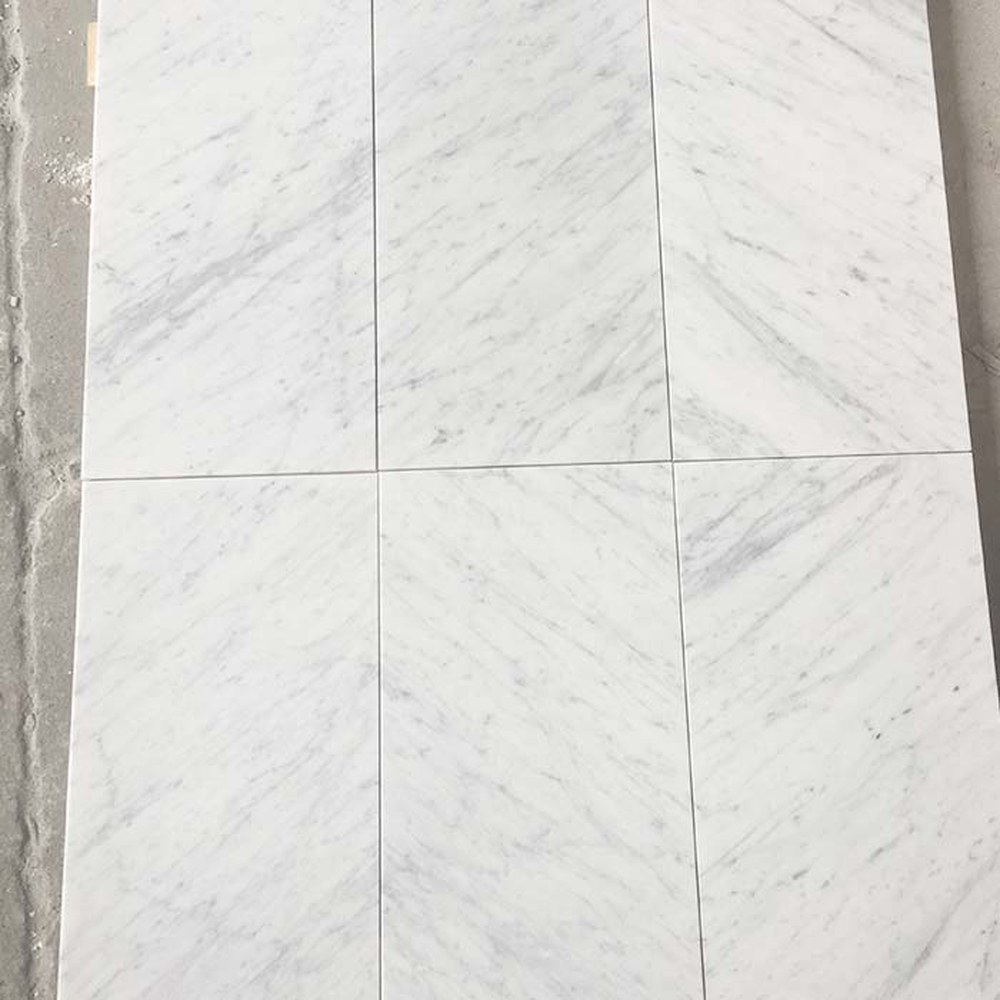
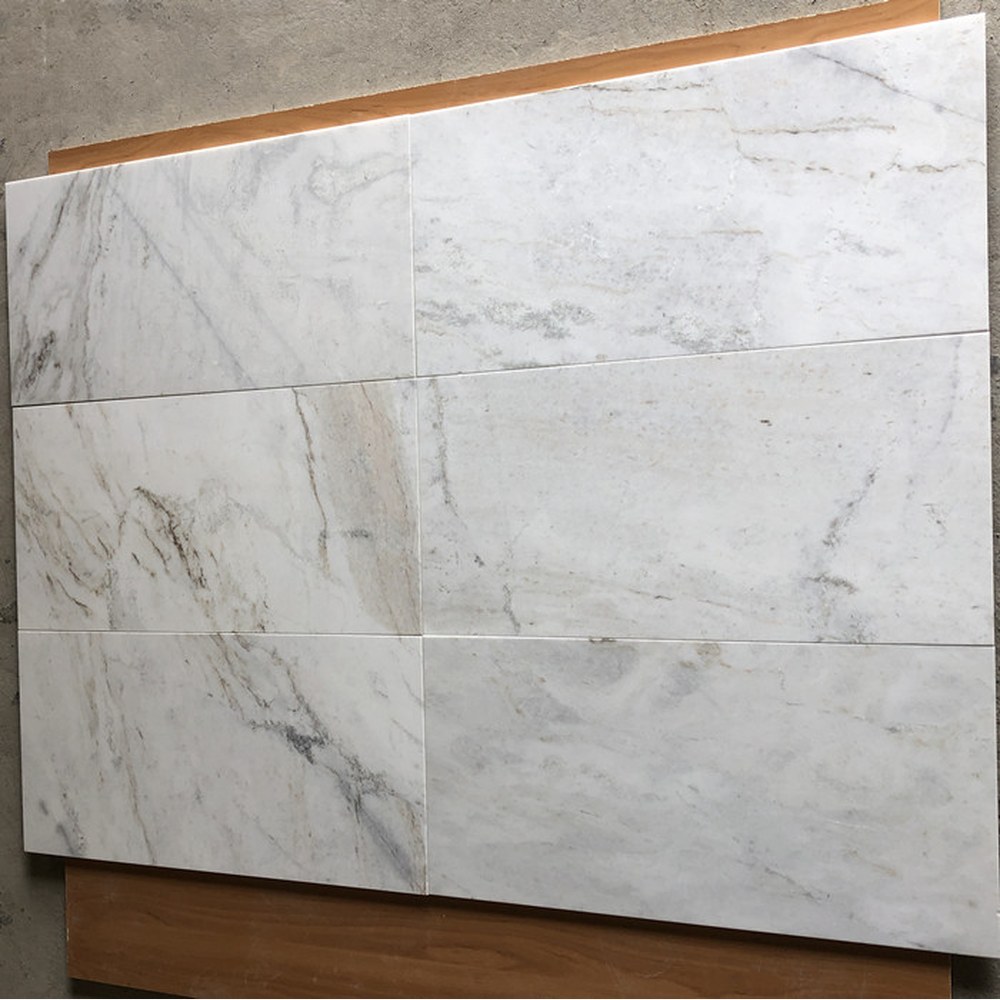
Veining varies most of all. Some stones carry bold, dramatic veins. Some carry almost none. Even within one named stone, the veins move, thicken, thin out, and change direction from piece to piece. That is what makes a marble floor look alive instead of printed.
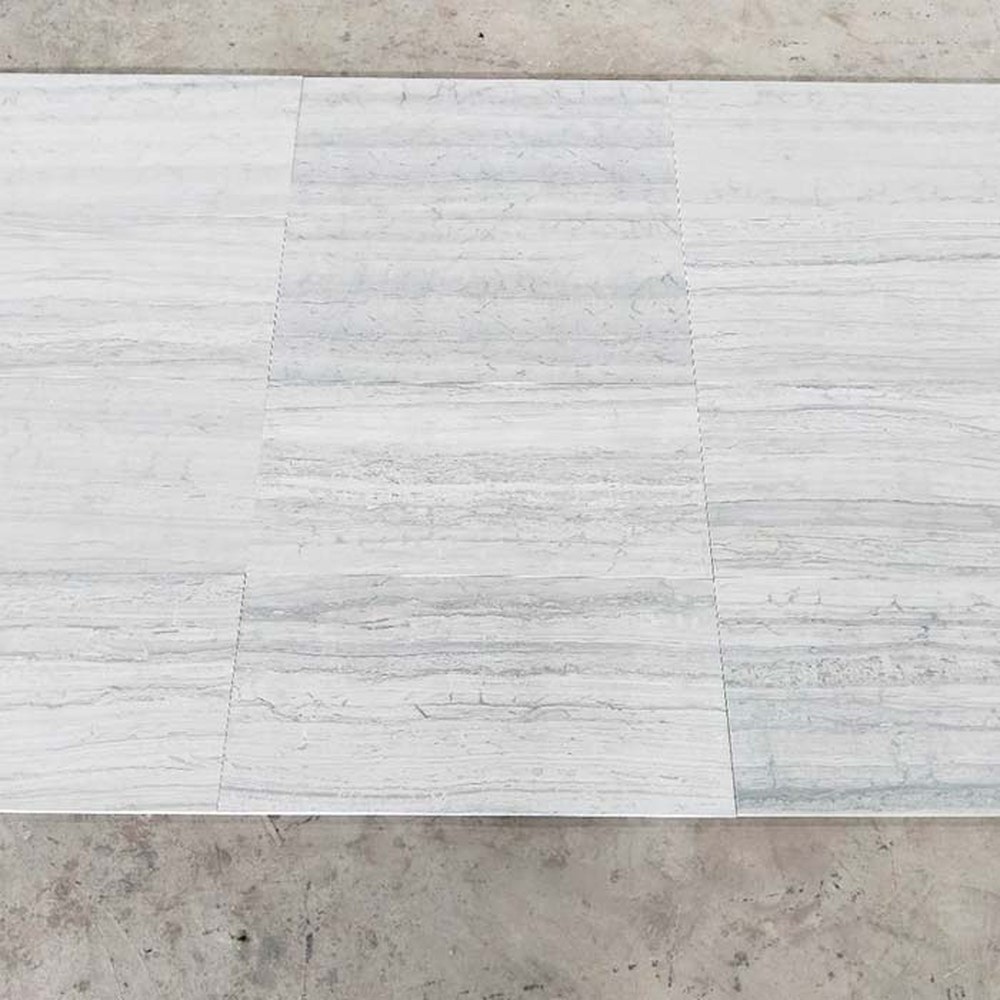
Different stones vary by different amounts. A stone from many quarry faces, like Carrara, has large batch variation, because the stone comes from many places. A stone from one concentrated source, like Oriental White, is more uniform, because it all comes from the same ground. Neither is better. They are just different, and the buyer should know which one they are ordering.

A batch is one production run from one set of blocks. Pieces from the same batch were cut from the same stone, at the same time, under the same conditions, so they match each other far better than pieces from two different batches.
This is the single most useful fact in this article. Two boxes from the same batch can look like one floor. Two boxes from different batches can look like two different stones once they are on the floor. That is why every guide on this site says the same thing: order one room from one batch, and keep the spare box from the same batch with it.
A batch is not a guarantee of identical pieces. It is a guarantee that the pieces belong to the same family. Within one batch there is still variation, and that is normal. The variation across batches is the one that shows.
A sample shows the range, not the exact piece. No supplier can promise that the stone you receive will match the sample piece for piece. The sample is one piece from one batch. Your order is many pieces, and they will spread across the range that stone naturally covers.
What you can ask for is the range itself. Ask to see photos of several pieces from the actual batch, laid out together. A single cropped close-up tells you nothing. A full lay-out shows whether the batch runs pale or dark, busy or calm, and whether one piece in it stands far apart from the rest.
Sealing can also change how the color reads. A penetrating sealer can make the stone look slightly deeper, especially on a honed surface. That is normal too. If you want to know the final look, wet a corner of the sample. Water darkens stone the way a sealer does, and it gives a fair preview of the finished color.
Most matching problems are ordering problems, and they are avoidable. Four habits cover them.
Order the full amount at once, including 10 to 15 percent overage for cuts and breakage. A top-up order later almost always comes from a new batch, and the new batch will not match the old one. The overage costs little. A second shipment for a handful of tiles costs far more, and it still may not match.
Order one room from one batch. Do not split a room across two batches to use up leftovers. A mixed room shows the difference forever, and no amount of sealing or cleaning will hide it.
Keep the spare box. Every job should end with one spare box from the same batch, kept for repairs. A replacement piece from a later batch will stand out on the finished floor. A spare from the same batch will not.
Ask for a dry lay-out photo before shipment. Laying the pieces out dry shows the color range across the batch before the stone leaves the factory. It is the cheapest quality check in the whole order, and it catches the one piece that does not belong before it is on your floor.
Even within one batch, the installer can make the variation work for the job instead of against it. The trick is blending.
Open several boxes at once and mix the pieces as they go down, instead of laying one box after another. A floor laid box by box can show a line where one box ended and the next began. A floor laid from mixed boxes spreads the light and dark pieces evenly, so the eye reads one surface instead of several patches.
This is standard practice for a good installer, and it costs nothing. It is worth asking about before the job starts. A buyer who opens the boxes, sees the range, and tells the installer to blend them will get a better floor than a buyer who leaves it to chance.
Light matters too. Stone changes color with the light, and a floor that looks warm under the showroom lights can look cool under your own. Look at the sample in your own room, in daylight and under your own lights, before you order. A sample taped to the floor for a day tells you more than a photo ever will.
First, ask what the range looks like. Not the sample piece, but the range across the batch. Photos of several pieces laid out together will show it.
Second, confirm the order is one batch for one room. Ask for it in writing. If the order is large enough to need two batches, ask how the two will be split, and plan the split at a natural break, like a doorway, not in the middle of a room.
Third, add the overage now, not later. Ten to 15 percent covers cuts, breakage, and the spare box. A top-up from a new batch is the most common matching problem there is.
Fourth, ask for a dry lay-out photo before shipment. It is the last chance to catch a piece that does not belong, and it costs the supplier nothing but a few minutes.
Fifth, ask about the lead time. Production takes about 2 weeks for a regular order, and the full journey from order to jobsite usually runs 6 to 10 weeks. A rushed reorder to fix a mismatch will still take that long, so it is far cheaper to order it right the first time.
Natural stone varies because it is natural. That variation is the reason buyers choose it over a printed copy. The job is not to fight it. It is to order one batch, blend the boxes, and check the lay-out before it ships. Do those three things and the floor will look like the stone you fell in love with.
Tell us the size of your job and the stone you have in mind. We will confirm the batch, the quantity, and the dry lay-out photo with you before production starts.
— The Sino-Marble Team